
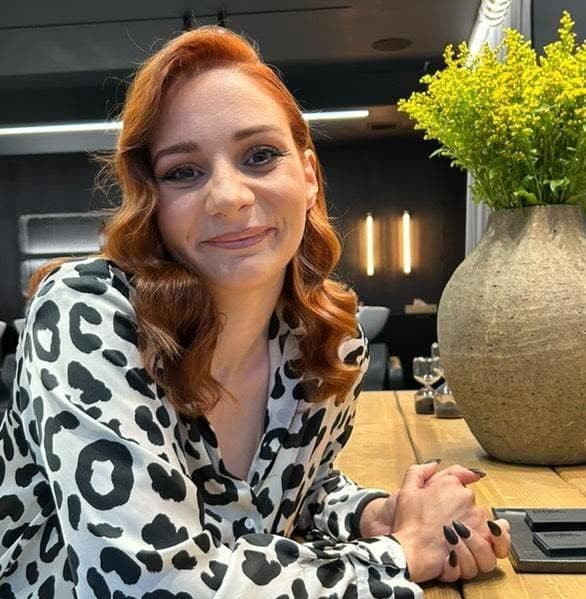
From books about love and breakups to the more than nine years she spent caring for both her parents with dementia, and from there to books that stand beside those who care. 5 Stigmes welcomed Tina A. Michaelidou and asked her 5 questions about what dementia taught her about life and human relationships, what someone needs to know at the start of caregiving, the support the state offers, “A Letter to My Dad”, and how to talk to a child about dementia.
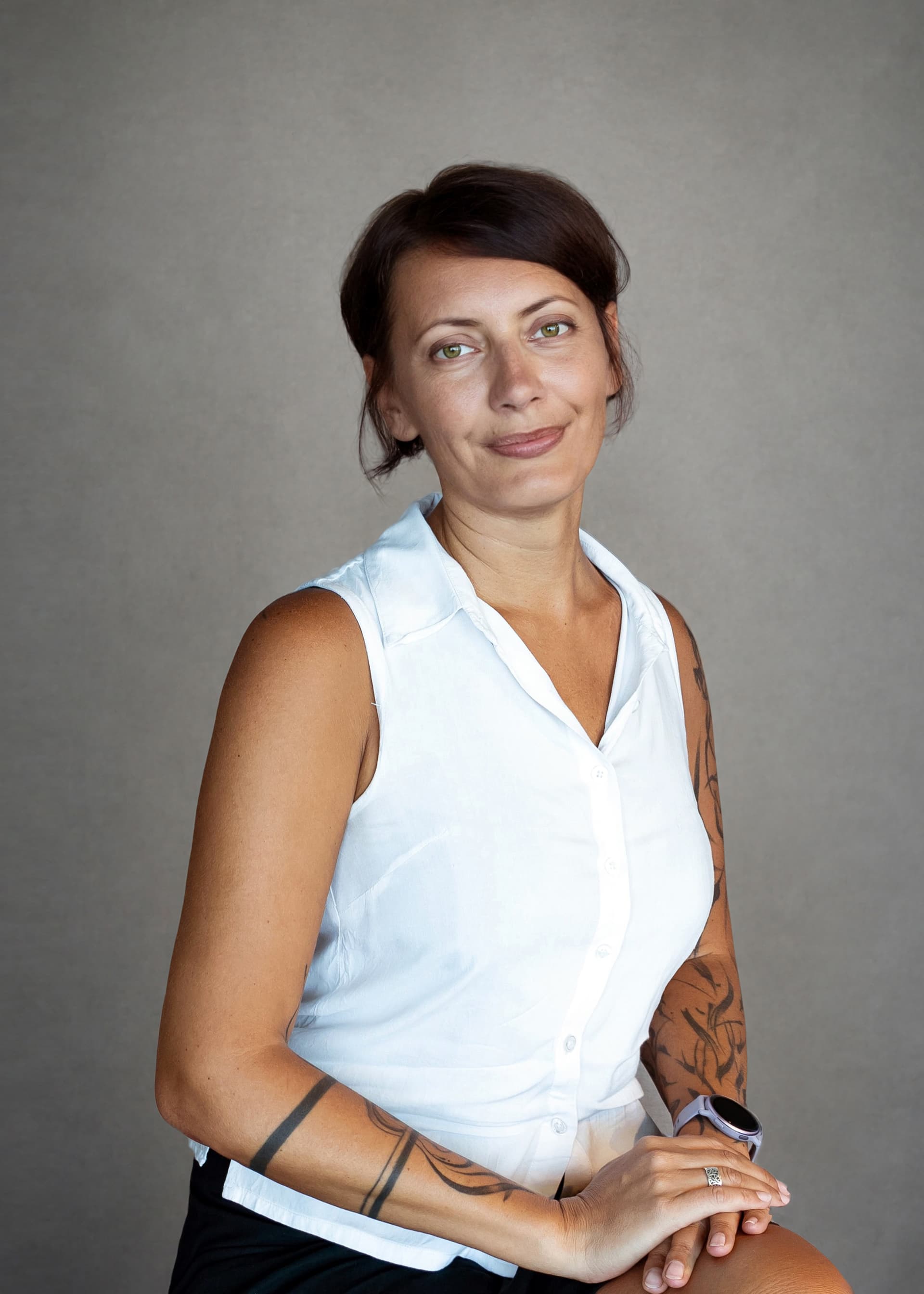
Tina A. Michaelidou is a theologian, a nursing assistant, a carer for patients with chronic illnesses, a relationship blogger and an author. She took up all of these fields to help herself, and the people around her as well. Her goal is for everyone to smile for real, even in their hardest moments.
Question 1
For years you lived with dementia inside your own family, as a daughter and as the carer of both your parents. Was there a moment or an experience that decisively changed the way you saw life and human relationships?
Tina
I saw human relationships differently several times, whether through breakups or through new loves. But what changed it decisively was my contact with dementia at home, as both my parents fell ill. That is where I understood which people stayed in my life because they truly cared, and which ones left because they got angry at the first “no” I said to them. I was simply a daughter who looked after her parents with love. The whole experience taught me to take nothing for granted and to enjoy every minute.
Question 2
People who care for a loved one with dementia are often called on to manage a daily life that no one has prepared them for. What would you want someone who is at the start of this journey today to know, and how can your book “The Caregiver’s Diary” («Το Ημερολόγιο του Φροντιστή») help them?
Tina
I would like them to know that it is all right not to know everything from the very first moment. No one is prepared for dementia. Caring for this particular illness, in my own experience, was demanding, hard and draining for the soul. I did not come out of it unscathed. I am full of wounds and tiredness. The caregiver needs help too, so asking specialists for help is nothing to be ashamed of. “The Caregiver’s Diary” was created to stand beside caregivers, so that they don’t feel alone. Through it I want to share what I learned, the difficulties, my thoughts and my experiences.
Question 3
How far do you believe the state truly stands by the families facing dementia today? Is the necessary support there for patients and for the people who take on their care, or are there significant gaps?
Tina
I believe there are already structures and organisations doing important work in the field of dementia. Patients and their families can turn to them for information, guidance and support. It is very important that these structures and organisations exist. I consider the financial side just as important, because the expenses are many. I always speak from my own experience, as I lived through the care of both my parents for more than nine years. I know how demanding this daily life can become, not only mentally and physically, but financially as well.
Question 4
You have a long writing career, with books that touch on human relationships, love and breakups. Along the way, your personal experience with dementia found its own expression through writing. “A Letter to My Dad” («Γράμμα στον μπαμπά μου») is strongly autobiographical. What led you to write it, and what would you like the reader to take from it?
Tina
“A Letter to My Dad” was written as I was looking for a way to say goodbye to my dad, because I did not say goodbye to him the way I would have wanted. For me, writing is psychotherapy, so I wanted to express everything I felt. I would like the reader to understand that they are not alone, and that love never forgets.
Question 5
In the book “Tick Tock, the Little Heart Remembers” («Τικ τακ η καρδούλα θυμάται») you approach a difficult subject, dementia, through the world of children. How can we talk to a child about the illness of someone they love, so that they understand what is happening and keep their bond of love with that person, without causing them fear or sadness?
Tina
Dementia is a difficult subject for adults, so it is just as difficult to explain to a child. Personally, I wrote this particular children’s book based on how I would like to present it to my own child, when I have one. I wanted there to be a ray of hope within the sadness: that with love and care, miracles happen.