Interview · 16 June 2026
Prevention really is the most important thing…
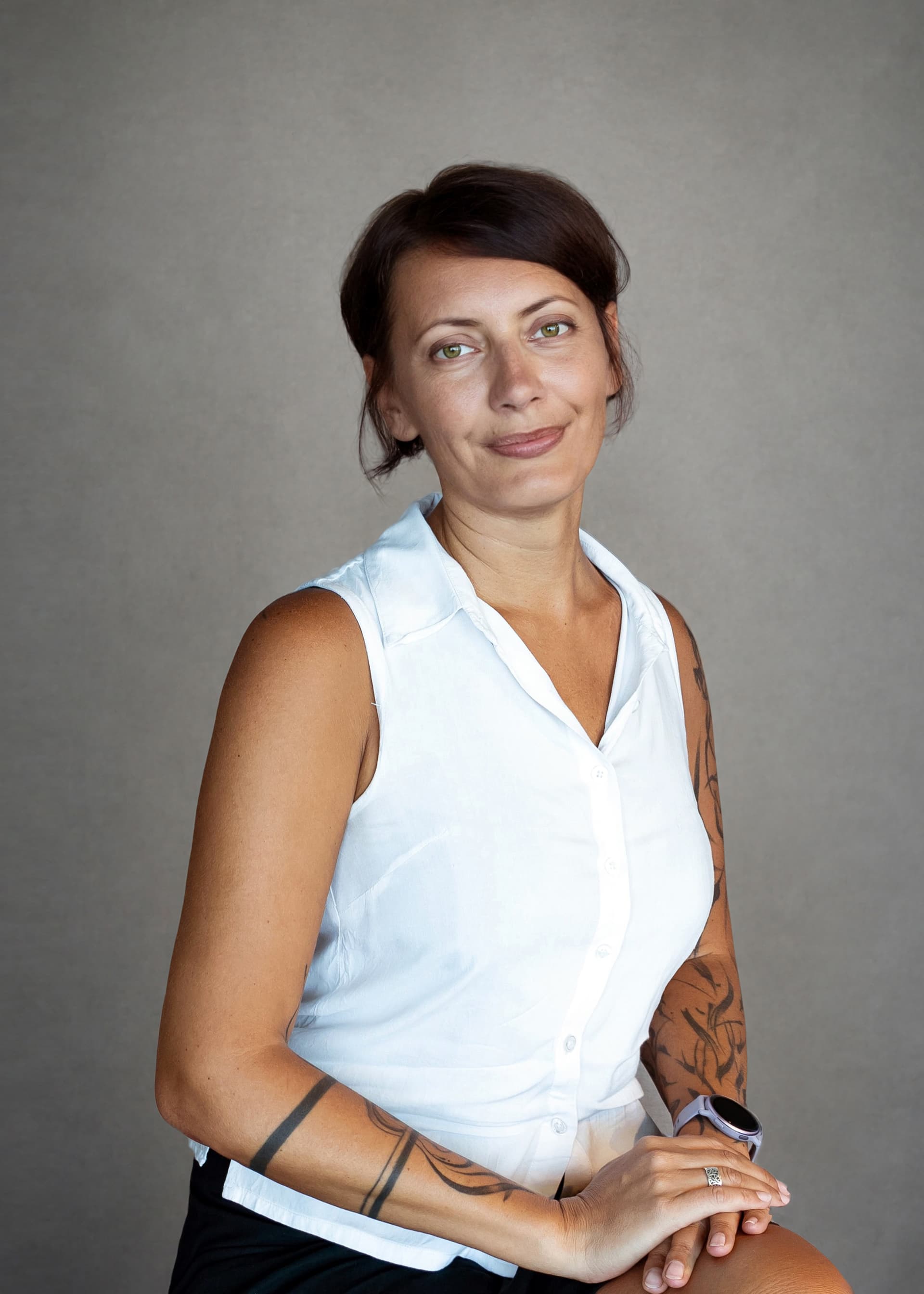
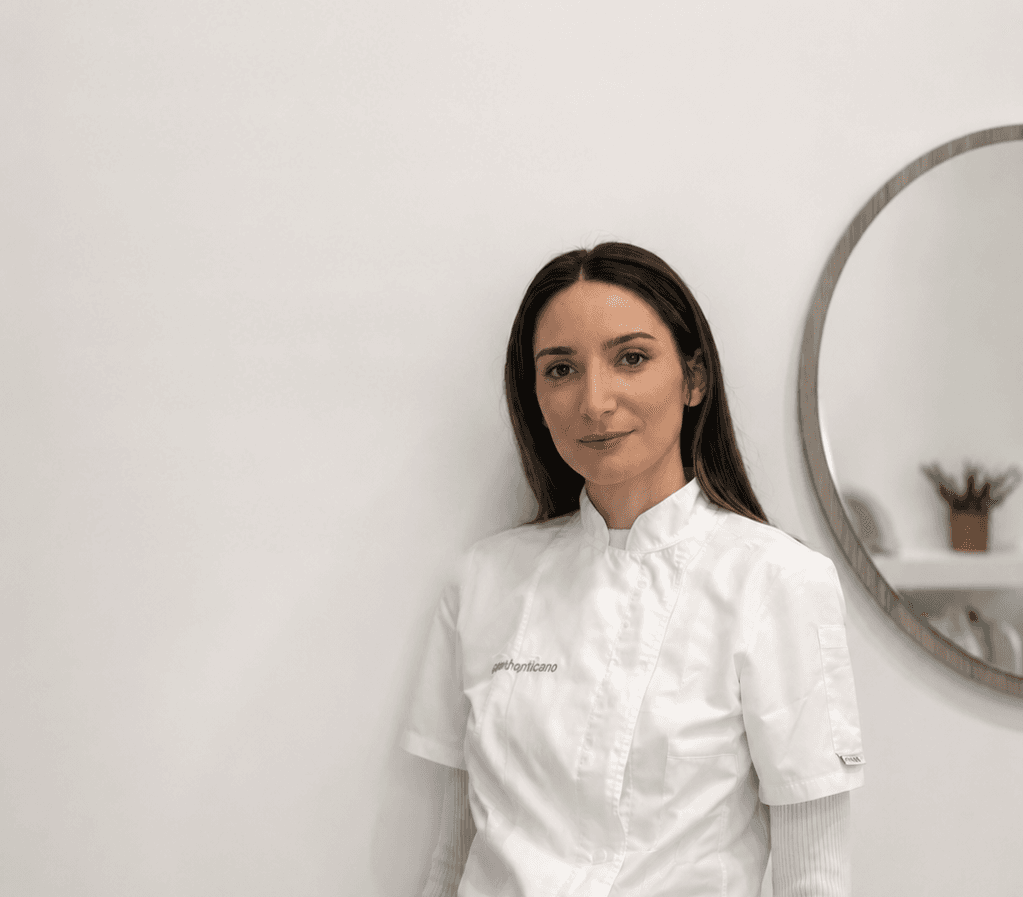
Katerina Zafeirati
 Interview by Eleni Lazaridou

5 Stigmes welcomed Katerina Zafeirati, pharmacist at Qpharmacy, and put 5 questions to her about the human side of the counter, the importance of prevention, and health in the age of social media.
Question 1
The neighbourhood pharmacy is often the first stop for someone who is in pain or afraid. Is there a moment or a patient's story that has particularly touched you?
Katerina
There really are so many moments that stay with you. Perhaps that is both the most beautiful and the hardest part of our job. You don't just see a customer who walks in and walks out. You see people.
People come in during the night when we are on duty, anxious, with very high blood pressure, frightened, and often they don't know what to do. In that moment you try first of all to calm them down and then to find the best solution.
There are cases where you realise it is not something the pharmacy alone can handle. They need a doctor, a cardiologist, a hospital. But until the ambulance arrives or help is organised, that person needs someone by their side. A word, some composure, a presence.
And then there are those small moments that may seem simple but mean a great deal to us. Someone who can't reach their doctor for an injection and comes to us in despair. We help them, and you see the relief and gratitude in their eyes.
Or a little child who comes in with their mum so we can dress a wound and leaves with a smile. Those are the moments that remind you our profession has a human side.
Question 2
You take care of other people's health every day. How do you, Katerina, choose to recharge your "batteries"? What is your own favourite moment of the day for unwinding?
Katerina
I think that if you don't take a little care of yourself, you can't truly give to others. I try to look after my body, to take the supplements and vitamins I need, but what truly restores me is the sea.
Swimming is my way of clearing my mind. After an intense day at the pharmacy, a little peace and quiet, a series on Netflix or some time just for myself is essential.
But the greatest release comes at the end of the day, when I think that someone left our pharmacy calmer than they came in. That I helped solve a problem, big or small. That is the greatest satisfaction.
Question 3
If you could give the readers of 5stigmes.gr just one piece of advice for a better and healthier life, what would it be?
Katerina
Not to neglect their check-ups. Prevention really is the most important thing.
So often we say "I'll do it later", "I don't have time", "there's nothing wrong with me". But our health needs care before a problem appears. A simple check-up can make all the difference.
Question 4
How often do you feel like tearing your hair out at what you hear across the counter from someone who "read it on the internet"? How do you manage to keep a straight face?
Katerina
Very often. It's something we now encounter every day.
Someone will come in and say: "A friend of mine did it and it worked for her", "I saw it in a video", "my sister-in-law took this, give me the same one". There are people who even ask for antibiotics or a course of treatment because they saw it somewhere on social media.
Social media has become part of our lives, but health cannot be based on unverified information. I always try to explain patiently and to listen to the person. It's not a matter of simply telling them "no". It's important that they understand why.
Question 5
Do you believe people are healthier today, or has the situation got worse compared with the past?
Katerina
I think the truth lies somewhere in the middle. Illnesses have always existed. Heart attacks, cancer, health problems existed in the past too. It's just that today we have more information, more knowledge and more means to deal with them.
Science has come a long way. Life expectancy has increased, and there are treatments that didn't exist years ago.
What is needed, though, is proper information and responsibility. To listen to the experts, to practise prevention, and not to leave our health to chance.